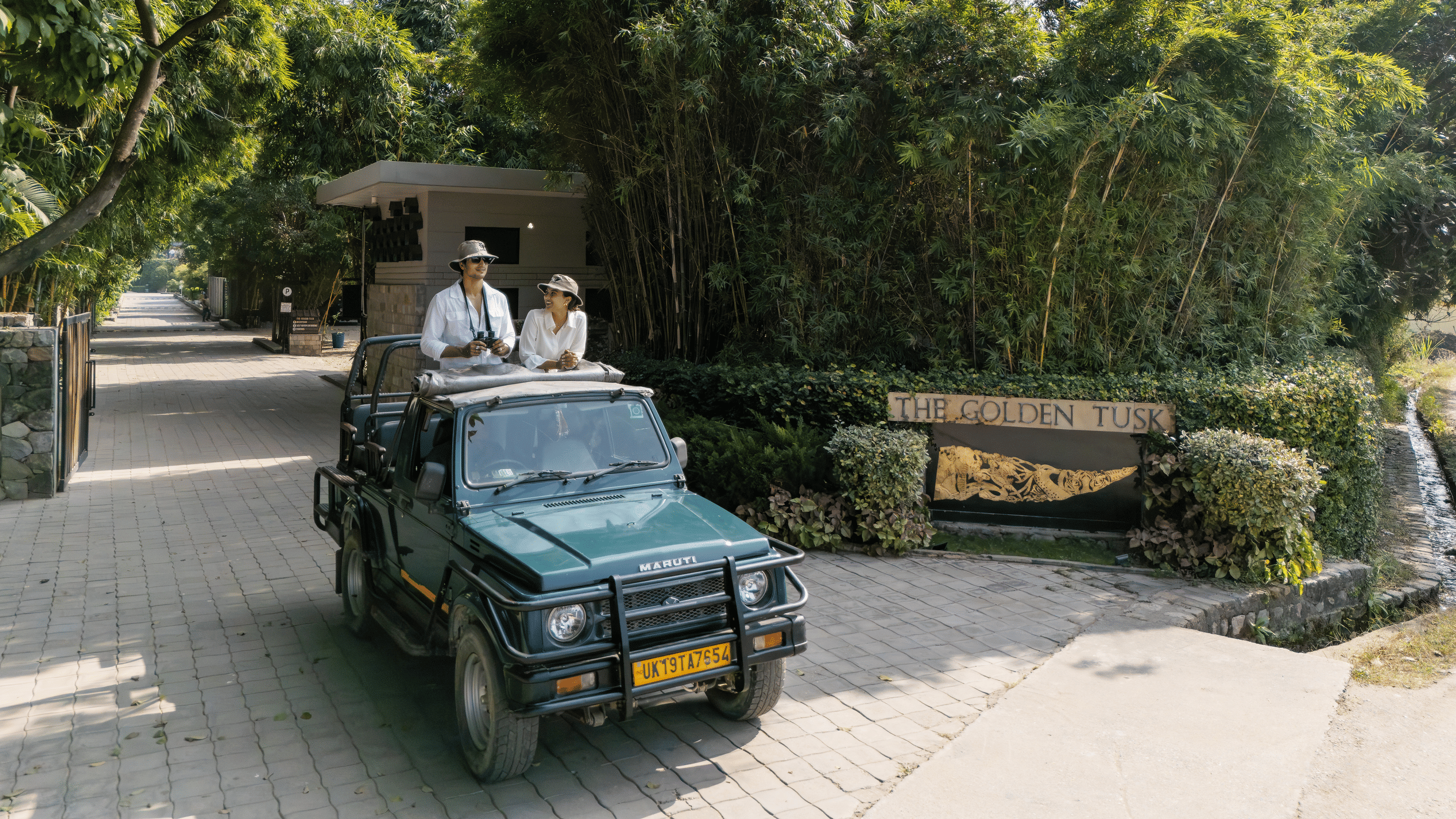
Here is the good news for anyone who assumed the park simply shuts its gates once the rains arrive: Jim Corbett National Park does not close completely in monsoon. The experience changes, yes, but it does not disappear. If you are searching for Jim Corbett monsoon opening details, the short answer is that a handful of safari zones stay open through July, August, and September, while the famous core zones close because their roads get washed away.
This guide covers exactly which zones remain accessible, what the weather feels like, how tiger sightings work in the rain, and why staying at The Golden Tusk makes a monsoon trip far more comfortable than you might expect.
Jim Corbett Monsoon Opening Status at a Glance
Jim Corbett National Park is a year-round destination, but its
safarigates do not all follow the same schedule. The park management closes the sensitive core areas every monsoon to protect both wildlife and visitors from unsafe road conditions.
According to the official Jim Corbett Tiger Reserve website, monsoon safari bookings reopen each season around late June, usually at 5:30 AM, so visitors can still reserve jeep safaris for the buffer zones that stay operational. For the 2026 season, the official notice confirms that safari bookings for the monsoon session reopen on 27 June 2026.
In other words, even in the heaviest rain months, the forest department still expects visitors, just in smaller numbers and in specific zones. If you are planning a Jim Corbett monsoon trip, book your safari as early as possible after the window opens, because slots in the open zones are limited.
Which Safari Zones Stay Open in Jim Corbett Monsoon?
The most common misconception is that the entire park closes from July to September. In reality, a few safari zones remain open provisionally during monsoon, subject to daily weather and road conditions. Here is the list:
- Jhirna Zone: Open throughout the year, including monsoon. This is the most reliable zone for a rainy-season safari, as its roads are all-weather and it has a healthy prey base.
- Dhela Zone: Open in the monsoon and located very close to The Golden Tusk. This zone is known for resident tigers and is especially convenient for guests who want a short drive to the safari gate.
- Garjia Zone: Open provisionally in monsoon, subject to conditions. It offers riverine forest and a different landscape and works well when Jhirna permits sell out.
- Sonanadi Wildlife Sanctuary: Also open provisionally, subject to weather. It is less crowded and ideal for birding and quiet nature drives.
Two famous zones stay closed. Dhikala, the most sought-after zone for tiger sightings, closes from mid-June to mid-November. Bijrani closes from late June to mid-October. Their forest roads become washed out and unsafe, so the forest department does not allow any jeep movement. If your dream is a Dhikala night stay or a Bijrani morning safari, you will need to plan for the winter or summer season instead..
Jim Corbett Monsoon Weather: What to Expect Month by Month
The monsoon in Jim Corbett runs roughly from late June to mid-September. July and August are the wettest months, while September brings reduced rainfall and a fresh, post-rain landscape. Here is a practical breakdown:
Here is what you can expect during each month:
- July: Heavy and frequent showers, high humidity, and temperatures generally ranging between 24°C and 32°C. The forest becomes intensely green, while streams and rivers begin to flow strongly.
- August: Peak monsoon conditions with long spells of rain. Safari mornings can be misty and beautiful, although sudden downpours may affect outdoor plans.
- September: Rainfall gradually reduces, the air becomes clearer, and the forest remains fresh and green. This can be a beautiful period for photography and nature experiences.
Because the weather can be unpredictable, always carry a waterproof jacket and quick-dry clothing. Safari vehicles are open jeeps, so a sudden shower can soak you within minutes, even if the morning begins with clear skies.
What About Tiger Sightings in the Jim Corbett Monsoon?
Tigers do not disappear in the rain, but they do become harder to spot. Dense undergrowth, tall grass, and wet leaves reduce visibility, and tigers do not need to travel far for water when every stream is full. Even so, the open buffer zones still produce sightings, especially in the early morning when the forest is quiet.
The Dhela zone deserves a special mention. It has recorded regular tiger movement in recent years, and because it stays open in monsoon, your chances of a sighting are far from zero. The Golden Tusk sits very close to the Dhela safari gate, which is a real advantage in the rainy season. You can reach the gate in minutes and still be among the first jeeps inside, which matters when monsoon mornings are unpredictable, and you want to make the most of your safari window before the next spell of rain.
If a tiger sighting is your only goal, monsoon is not the best season, as winter and summer offer far better visibility. But if you accept that a monsoon is more about landscape, birding, and a lush green forest, then the occasional tiger track or distant roar becomes a bonus rather than a letdown.
Why Monsoon Is Still a Great Time to Visit Corbett
Most travellers skip Corbett in July and August, which is exactly why you should consider it. The park grows quiet, the crowds vanish, and the forest turns into a dense green paradise. Here are the main reasons people still visit during the Jim Corbett monsoon:.
- Landscape photography: Saturated greenery, misty surroundings, and rain-washed leaves create beautiful scenes.
- Birdwatching: The forest and surrounding areas offer opportunities to spot a variety of bird species.
- Fewer tourists: The quieter season can make your resort stay feel more peaceful and private.
- River and stream views: The Dhela River and surrounding water bodies become more active during the rainy season.
- Resort comfort: Rainy days are perfect for relaxing in comfortable accommodation, enjoying good food, or spending time at the spa.
Staying at The Golden Tusk During a Monsoon
The Golden Tusk is one of the best luxury resorts in Jim Corbett for a monsoon holiday. Located in Village Dhela, Ramnagar, it sits on the banks of the monsoon-fed Dhela River, surrounded by ten acres of greenery and reserve forest. The resort stays open through July, August, and September, and its location is ideal for anyone planning safaris to the Jhirna or Dhela zones.
On days when heavy rain cancels safaris, The Golden Tusk keeps guests happily occupied with indoor recreation, multicuisine dining, a rejuvenating spa, and spacious suites. Room categories include Waterhole Private Pool Villas, Jungle Spring Private Hot Tub Villas, Garden Suites, Nature View Suites, Luxury Tents, and the larger Tusk Suite and Tiger Suite. Monsoon is actually one of the best times to book a premium villa, as the resort runs lower occupancy and the rain adds a romantic, misty backdrop to the private pool or hot tub.
You can check room availability and current monsoon offers directly on
The Golden Tusk website. Monsoon Safari Booking Tips for Jim Corbett
Booking a safari in monsoon takes a little more planning than in peak season. Follow these steps to avoid last-minute disappointment::
- Check the official Jim Corbett Tiger Reserve website for the exact monsoon booking date. For 2026, it is 27 June at 5:30 AM.
- Book online through the official portal only, and note that booking on the visit date closes at 6:30 AM for morning sessions and 4:00 PM for afternoon sessions.
- Choose the Jhirna or Dhela zone for the best chance of a confirmed permit, with Garjia as a good backup.
- Stay flexible with your dates. Rain can cause sudden closures, so keep one extra morning free.
- Carry a valid ID for every passenger, as the forest department verifies permits at the gate.
- Keep mobile phone use in mind, as phones are not permitted inside certain core tourism zones. The forest department enforces this strictly.
Plan Your Jim Corbett Monsoon Trip the Right Way
The monsoon in Jim Corbett is not a closed season. It is a quieter, greener, more atmospheric version of the park, with Jhirna, Dhela, and Garjia zones still running safaris for those who plan ahead. You trade the high-visibility tiger sightings of summer for misty forests, empty trails, and a resort experience that feels truly private..
For the most convenient base, book your stay at The Golden Tusk. Its proximity to the Dhela and Jhirna safari zones means you spend less time driving and more time inside the forest, even when the monsoon clouds are rolling in. Contact us today to check availability or request a custom monsoon package.
Frequently Asked Questions
1. Is Jim Corbett National Park open in monsoon?
Ans: Yes, Jim Corbett National Park remains partially open during the monsoon months. Some safari zones may remain operational, while popular core zones can close because of heavy rainfall and road conditions.
2. Which safari zones are open in Jim Corbett during monsoon?
Ans: During monsoon, the safari zones that usually remain open are Jhirna, Dhela and Garjia, along with the Sonanadi Wildlife Sanctuary. Dhikala and Bijrani zones stay closed until mid October or mid November, depending on road conditions.
3. Can I see tigers in Jim Corbett during monsoon?
Ans: Tiger sightings are less frequent in monsoon because dense foliage and rain make tracking harder, but resident tigers do move through the open buffer zones. Dhela zone, in particular, has had regular tiger activity, and The Golden Tusk resort is very close to the Dhela gate, which makes early morning safaris more convenient.
4. What is the weather like in Jim Corbett in July and August?
Ans: July and August are the wettest months in Jim Corbett, with frequent rain showers, high humidity and temperatures ranging roughly from 24°C to 32°C. The landscape turns intensely green, rivers swell, and the air stays fresh and misty, which is ideal for landscape photographers and birders..
5. Is The Golden Tusk resort open in monsoon?
Ans: Yes, The Golden Tusk resort remains open throughout the monsoon season. Located beside the Dhela river and close to the Dhela and Jhirna safari zones, the resort offers a comfortable base with luxury rooms, dining and recreation even during rainy days.