Jim Corbett in September: A Complete Travel and Safari Guide

Planning a trip to Jim Corbett in September and wondering if the park is even worth visiting during this in-between month? The answer is a resounding yes, with a few caveats. Jim Corbett in September is a time of lush greenery, gushing rivers, and a wildlife experience you simply will not get in the peak winter months. The key is knowing which safari zones are open, what to expect from the weather, and where to stay.
Why Visit Jim Corbett in September?
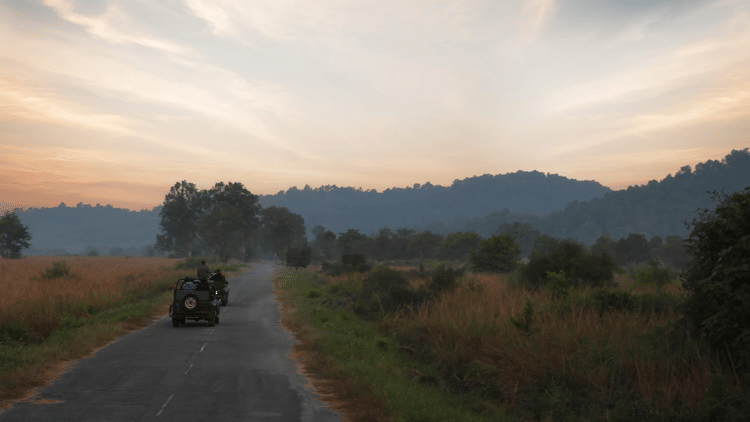
September marks the tail end of the monsoon in Uttarakhand. The landscape is at its most vibrant, with dense foliage and waterfalls cascading through the forests. The air is fresh, and the crowds are thinner than during the winter rush. For photographers and nature lovers, this is a golden window to capture the park in its raw, monsoon glory.
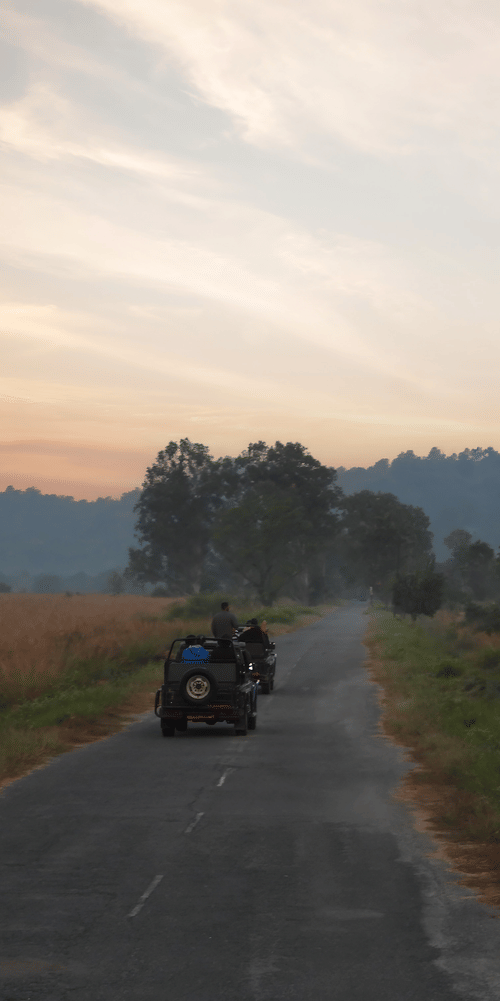
The safari itself feels different now. Animals are more active in the cooler post-rain hours, and the forest is alive with birdlife. The Ramganga reservoir and Kosi river swell with monsoon water, drawing elephants and sambar deer to the banks. Compared with the dry months of April and May, Jim Corbett in September offers softer light and richer colour, and with fewer visitors around, your vehicle may be the only one on a given track.
Is Jim Corbett Open in September?
Yes, Jim Corbett National Park is open in September, but only the buffer zones are accessible. The core zones, such as Dhikala and Bijrani, close during the monsoon because their internal roads become impassable. The buffer zones that stay open are Garjia, Jhirna, and Dhela, which offer excellent wildlife viewing and, being less frequented, a more serene safari.
These zones stay operational because their roads are higher and better drained. Even so, safaris may be cancelled or shortened after an extreme downpour, so keep a buffer day in your itinerary. If your heart is set on the core zones, plan a second visit between November and June.
Safari Zones Open in September
Here is a closer look at the three zones you can explore:
- Garjia Zone: Known for its riverbeds and grasslands, this zone is a birder's paradise. You can spot deer, wild boars, and occasionally tigers, with crocodiles basking on the sandbanks.
- Jhirna Zone: Famous for its open grasslands and a reliable spot for tiger sightings. It is also home to elephants and sloth bears, which often emerge on afternoon drives to feed.
- Dhela Zone: The newest of the three and a gem for wildlife enthusiasts, with strong chances of tigers, leopards, and swamp deer. It is also the closest zone to The Golden Tusk , and its waterholes draw tigers after a hot day.
Permits are limited and often booked in advance, especially for the popular Dhela zone, so book through your resort or a trusted agent.
Weather in September: What to Expect
September in Corbett is a mix of warm, humid days and occasional showers. Daytime temperatures typically range between 25°C and 32°C, with nights cooling to around 20°C. Humidity can be high, so light, breathable clothing is a must, and a raincoat or umbrella is essential.
Mornings are often clear until around 10 AM, when clouds build and bring a short, intense spell of rain that rarely lasts more than an hour, though it can turn tracks slippery. The good news is that the rain usually brings a drop in temperature, making the drives pleasant.
What to Pack for a September Trip
Packing smart can make or break a Jim Corbett September trip. The essentials:
- Light cotton clothes in earthy tones, avoiding bright colours that might disturb wildlife
- A waterproof jacket or poncho and non-slip shoes
- Insect repellent, as mosquitoes are common after rain
- Binoculars and a camera with a zoom lens
- Personal medications and a basic first-aid kit
A dry bag for your camera and phone is worth adding too, along with a power bank and quick-dry trousers rather than jeans.
Where to Stay in Jim Corbett in September
Your choice of accommodation can greatly enhance the experience. Look for a resort that offers comfort, good food, and easy access to the open safari zones. The Golden Tusk is an ideal base, nestled on the banks of the Dhela River and just minutes from the Dhela and Jhirna zones.
The resort offers a range of accommodations, from Waterhole Private Pool Villas toJungle Spring Private Hot Tub Villas, all designed to help you unwind after a day of adventure. Its proximity to the Dhela zone means you can be among the first to enter the park for the morning safari.
Resident naturalists accompany guests and interpret animal behaviour, turning a simple drive into a learning experience. Since September can be humid, the air-conditioned villas with private pools or hot tubs make a refreshing retreat.
What to Do Beyond Safari
September is not only about safaris. The Corbett region rewards a little exploring, from birdwatching for migratory species to guided nature walks within resort grounds.
History lovers can visit the Corbett Museum in Kaladhungi, dedicated to Jim Corbett's life and legacy, or the Garjia Devi Temple, perched on a rock in the Kosi River. The Sitabani Forest Reserve, which sits outside the national park and needs no permit, is another good option for wildlife sightings.
Travel Tips for September
- Book your safari permits well in advance, as they sell out quickly.
- Check the weather forecast before you travel and stay flexible.
- Carry cash, as some local vendors may not accept cards.
- Respect wildlife: maintain silence, stay inside the vehicle, and follow your guide's instructions.
If you are driving from Delhi, the journey takes around six hours via Ramnagar, so start early. The nearest airport is Pantnagar, about 80 km away and roughly two hours by road, while Ramnagar is the nearest railway station.
The Golden Tusk can arrange airport and station transfers on request.
Final Thoughts
September is a hidden gem for Jim Corbett. The lush landscapes, thinner crowds, and the chance to see wildlife in a raw, green setting make it a rewarding time to visit. With the right planning and the perfect base, your September safari can be an unforgettable adventure.
For a seamless experience, consider staying at The Golden Tusk, where luxury meets the wild. Contact us today to plan your Corbett escape.
Frequently Asked Questions
1. Is Jim Corbett open in September?
Ans: Yes, Jim Corbett National Park is open in September, but only the buffer zones of Garjia, Jhirna, and Dhela are accessible. The core zones like Dhikala and Bijrani remain closed due to monsoon road damage.
2. Which safari zone is best in September?
Ans: Dhela is often the best zone in September because it remains open and is close to The Golden Tusk resort. Jhirna is also a good option, known for its tiger sightings and open grasslands.
3. What should I pack for a September trip to Jim Corbett?
Ans: Pack light cotton clothes, a rain jacket or umbrella, insect repellent, comfortable shoes, and binoculars for wildlife viewing. The weather is humid and unpredictable, so be prepared for sudden showers.
Can I see tigers in September?
Ans: Yes, tiger sightings are possible in September, especially in the buffer zones like Dhela and Jhirna. The lush vegetation provides good camouflage, so patience and a bit of luck are needed.